
Care Insights
How Self Care Skills Therapy Builds Independence
2 August 2026
Self care skills therapy supports children and adults to build confidence, routines and independence in daily activities at home, school and work with care
A child who needs repeated prompts to get dressed, a teenager avoiding showering because the steps feel overwhelming, or an adult struggling to prepare meals after illness may all be facing a barrier to everyday participation. Self care skills therapy helps make these moments more manageable, not by expecting someone to simply try harder, but by understanding what is getting in the way and building practical, sustainable strategies around their life.
Self-care is often discussed as a checklist: washing, dressing, eating, toileting and sleeping. In reality, it is closely connected to confidence, identity, relationships and control. Being able to choose clothes for school, make a preferred breakfast, manage personal hygiene privately or prepare for work can shape how a person feels about themselves and their place in the world.
What is self care skills therapy?
Self care skills therapy is a personalised occupational therapy approach that supports people to take part in daily activities as independently, safely and confidently as possible. It can support children developing early routines, young people navigating increasing expectations, and adults rebuilding function following injury, illness, disability, mental health challenges or significant life changes.
The focus is not on achieving independence at any cost. For some people, the most meaningful outcome may be completing a task with less stress, communicating when help is needed, using the right equipment, or sharing a routine with a family member in a way that protects dignity. Progress should reflect the person’s goals, abilities, environment and available support.
An occupational therapist looks beyond the task itself. If getting dressed is difficult, for example, the challenge may relate to hand strength, balance, fatigue, sensory sensitivities, planning and sequencing, pain, low mood, clothing fastenings, the pace of the morning routine or a combination of these factors. Understanding the whole picture prevents well-intended strategies from missing the real barrier.
Why daily skills can become difficult
Self-care difficulties are rarely a sign of laziness, defiance or a lack of motivation. A child may know the steps of brushing their teeth but struggle to tolerate the sensation of toothpaste. A young person may want to manage their laundry but find planning, starting and finishing the task difficult. An adult recovering from a stroke may understand how to make tea but have reduced movement, confidence or concentration.
Changes in routine can also have a significant effect. Starting school, moving into secondary education, returning to work, becoming a parent, leaving hospital or living with a new diagnosis can all place extra demands on established habits. When a routine no longer works, people can become discouraged quickly, particularly when others assume the task should be simple.
Therapy offers space to address these challenges without judgement. It considers the person, the activity and the environment together. This may include physical abilities, sensory processing, emotional wellbeing, habits, family routines, cultural preferences, access to equipment and the practical layout of home, school or work.
How occupational therapy builds everyday confidence
Meaningful therapy begins with what matters to the individual and those who support them. Rather than setting a broad goal such as “be more independent”, an occupational therapist helps turn this into a clear and relevant aim. For a child, this may be putting on their coat before leaving the house. For a teenager, it may be managing a shower routine without conflict. For an adult, it may be preparing lunch safely enough to return to the workplace with confidence.
Assessment may happen through conversation, observation and practical activity. Where appropriate, it can take place in the setting where the difficulty occurs - at home, in school or in the workplace. This matters because a person may manage well in a quiet clinic room but encounter different sensory, social or physical demands in everyday life.
At Life-OT, care planning is informed by the Model of Human Occupation and the Recovery Model. These approaches recognise that skills do not exist in isolation. Motivation, habits, roles, environment and a person’s sense of identity all affect whether an activity feels achievable. Therapy is therefore designed around meaningful recovery and participation, rather than narrow symptom management.
Breaking tasks into achievable steps
Many self-care activities contain more steps than we realise. Getting ready for bed may involve noticing the time, stopping another activity, finding nightwear, using the bathroom, washing, brushing teeth, managing medication where relevant, settling into bed and preparing for sleep. If one stage is difficult, the whole routine can stall.
Therapy may break an activity into smaller steps and practise one stage at a time. Visual prompts, written checklists, consistent placement of items or practising at a quieter time of day can reduce pressure while a new habit develops. As confidence grows, prompts can be adjusted so that support does not become a permanent barrier to autonomy.
Adapting the task and environment
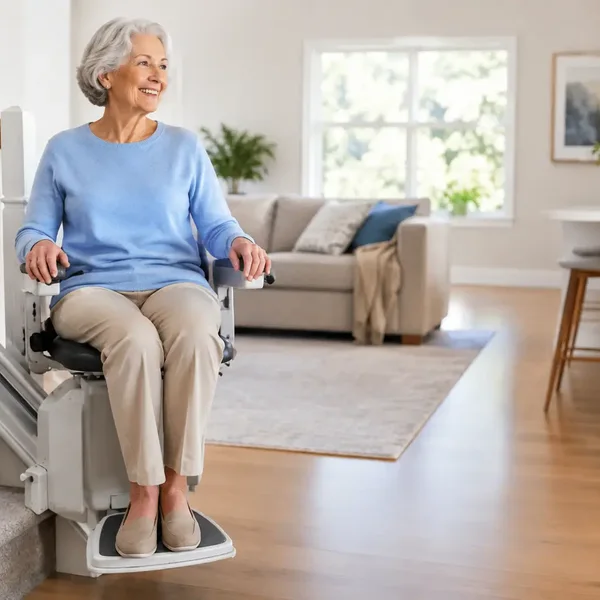
Sometimes the best strategy is not more practice but a better fit between the person and the task. A long-handled sponge, shower chair, adapted cutlery, easy-fastening clothing or a perching stool may make an activity safer and less tiring. A child who becomes overwhelmed in a cluttered bathroom may benefit from a calmer space and a predictable sequence.
Adaptations should be chosen with care. The aim is to enable participation, not to make a person feel singled out or incapable. A useful solution is one the individual is willing and able to use in their real routine. It also needs to work for family members, carers, school staff or colleagues who may be involved.
Building skills through meaningful practice
Practice is most effective when it has a purpose. Rehearsing button fastening may be helpful, but fastening a favourite shirt before a family celebration can feel more motivating. Learning to make a drink is more meaningful when it supports hosting a friend, taking a break at work or enjoying a morning routine independently.
An occupational therapist may use graded activity to build tolerance and confidence steadily. This means starting at a level where success is possible and increasing the challenge in manageable stages. For someone experiencing fatigue, that might mean preparing part of a meal while seated before progressing to a longer cooking task. For someone with anxiety, it might mean practising one element of a personal-care routine before expecting the full sequence.
Supporting children, young people and families
For children, self-care skills develop over time and at different rates. Comparison with siblings or classmates can create pressure, but it rarely explains why a child is struggling. A nurturing approach recognises developmental stage while also responding to the child’s individual sensory, physical, emotional and learning needs.
Parents and carers are vital partners in therapy. They often know which times of day are hardest, what has already been tried and what helps their child feel secure. Therapy can offer practical guidance that fits family life, rather than adding an unrealistic programme to an already busy week. Small changes to the morning routine, choices around clothing, clear language and consistent encouragement can make a meaningful difference.
For adolescents, dignity and ownership are particularly important. Young people may need support with personal hygiene, organisation, food preparation, travel routines or managing their energy, while also wanting greater privacy and control. Collaborative goal-setting helps ensure therapy feels relevant to their own aspirations, whether that is joining a college course, spending time with friends or preparing for future independence.
Rebuilding self-care after illness or change
Adults may need self-care support after neurological injury, surgery, persistent pain, long Covid, reduced mobility, changes in mental health or a period of hospitalisation. The emotional impact can be as significant as the physical challenge. Needing help with washing, dressing or cooking can affect confidence and alter familiar roles within a family.
Therapy should acknowledge that loss while creating practical routes forward. This might involve rehabilitation to improve strength and coordination, pacing to manage fatigue, equipment recommendations, cognitive strategies for memory and sequencing, or adjustments to the home routine. It may also involve working with a person’s sports therapy or nutrition support where this contributes to a wider, function-focused recovery plan.
Success is not always a return to doing every task exactly as before. It can mean finding a new way to participate that preserves safety, choice and fulfilment. For one person, that may be independently managing breakfast; for another, it may be confidently directing a personal assistant or family member in a way that maintains control.
When to seek support
It may be helpful to seek occupational therapy when self-care difficulties are causing distress, conflict, safety concerns, exclusion from school or work, reduced confidence or increasing dependence on others. Early support can prevent routines from becoming more stressful over time, but therapy can also be valuable when a challenge has been present for years.
The right support is collaborative and realistic. It should respect the person’s priorities, recognise their strengths and work with the people and settings that shape daily life. Meaningful progress often starts with one ordinary task becoming easier - and the confidence that grows from knowing, “I can take part in my life in a way that works for me.”